








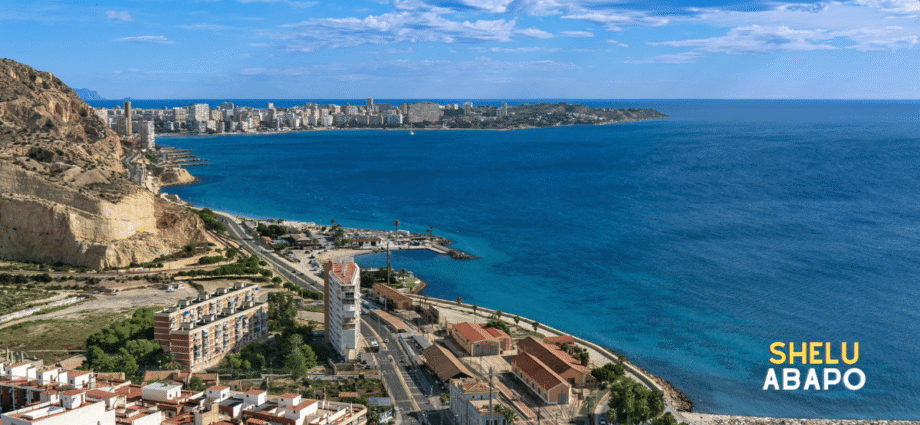
When I first imagined moving to Spain, Alicante was not part of the plan.
Madrid was.
Like many Filipinos considering moving to Spain, I pictured the capital, historic architecture, international energy, political and financial significance. Madrid felt like the obvious entry point into expat life in Spain.
Alicante happened almost by accident.
It was supposed to be a weekend respite, a short coastal break while waiting for visa processing in Madrid. But somewhere between the Mediterranean breeze, the walkable streets, and the slower rhythm of daily life, something shifted.
That temporary escape became a decision.
If you are thinking about moving to Spain as a Filipino, especially if you are coming from a city like Davao, this article goes beyond logistics. It explores the emotional, cultural, financial, and practical realities of expat life in Spain that rarely get discussed.
The Myth of “Moving to Spain”
From the outside, relocating to Europe looks cinematic.
Sunset coastlines.
Sidewalk cafés.
Cobblestone streets.
A seemingly effortless lifestyle.
But moving to Spain is not an extended holiday. It is a restructuring of your daily life.
If you are moving from Davao, a city known for orderly chaos, relative calm, greenery, and a balanced pace, the shift to Spain will feel both exciting and destabilizing.
The aesthetic may change instantly.
The emotional adjustment takes longer.
1. Spain Is Deeply Regional — Choose Carefully
Spain is not a single experience.
Madrid is fast-paced, centrally located, and politically significant.
Barcelona is creative and globally connected.
Valencia blends urban and coastal energy.
Alicante feels smaller, coastal, and intimate.
When I arrived in Madrid, I felt the contrast immediately. Compared to Davao, Madrid felt denser and more accelerated. It had scale and sophistication, but also comparable noise and intensity.
Alicante, however, felt familiar in unexpected ways.
Life in Alicante resembles Davao more than Madrid does, not in infrastructure, but in rhythm. It is walkable, manageable, and less overwhelming. The sea is close. The air feels open.
If you are moving to Spain as a Filipino, especially from Davao, your city choice matters more than you think.
Madrid offers:
- Larger professional networks
- Stronger international business environment
- Broader Filipino community
Alicante offers:
- Coastal calm
- Lower cost of living
- Less congestion
- Easier integration
Choosing a city aligned with your personality will define your expat experience.
You Might Also Be Interested: Falling into Alicante: A Filipino Expat’s Unexpected Home in Spain
2. The Visa Waiting Period Is Mentally Draining
One aspect of expat life in Spain rarely discussed is the emotional toll of waiting.
During visa processing, you are in limbo. You are neither fully settled nor fully temporary.
While waiting in Madrid, the uncertainty felt heavier than expected. Even with documentation prepared and qualifications aligned, the waiting period magnifies doubt.
You start questioning:
- Did I leave stability too quickly?
- Should I have chosen a different city?
- Is Spain truly sustainable long-term?
- What if expectations don’t match reality?
The weekend trip to Alicante was meant to clear my head.
Instead, it clarified my priorities.
Sometimes stepping away from your original plan reveals the better one.
3. Coming From Davao Changes Your Perspective
Moving to Spain from Davao is different from moving from Metro Manila.
Davao is already structured, relatively peaceful, and less chaotic than the capital. The adjustment, therefore, is not about escaping disorder; it is about adapting to a new cultural framework.
What surprised me most was the contrast in daily urgency.
Davao moves efficiently. Spain, especially coastal Spain, moves deliberately.
Shops close mid-afternoon.
Administrative offices move at a measured pace.
Dinner starts later than expected.
At first, this feels inconvenient. You may interpret it as inefficiency.
Over time, you realize it is simply a different philosophy of time.
Life in Alicante prioritizes:
- Outdoor living
- Long meals
- Conversations without hurry
- Boundaries between work and rest
If you built your professional life around constant motion, Spain may force you to recalibrate.
4. Cost of Living: Alicante vs Davao vs Madrid
Cost comparison is essential when moving to Spain as a Filipino.
Davao’s cost of living is generally lower than Spain’s, most especially in housing and services. However, Alicante is significantly more affordable than Madrid.
In Alicante:
- Rent is lower than Madrid’s city center rates.
- Groceries are reasonable for the quality.
- Dining out is accessible.
- Public transport is affordable.
However, here is the key factor:
Income source determines sustainability.
If your income is remote, international, or business-based, life in Alicante can feel balanced and financially manageable.
If you rely solely on local Spanish wages, careful budgeting is necessary.
Before relocating, evaluate:
- Income structure
- Tax implications
- Social security contributions
- Healthcare enrollment
- Housing deposits
Expat life in Spain is comfortable when finances are clear.
5. Community: Filipino Networks vs Independent Integration
Madrid has a stronger Filipino presence. Community gatherings, church groups, and familiar networks are easier to find.
Alicante’s Filipino community is smaller.
Coming from Davao, where community ties are strong and social circles are established, this adjustment can feel isolating initially.
However, smaller expat communities also accelerate integration.
You may:
- Build Spanish friendships faster
- Practice the language more frequently
- Develop independence
Expat life in Spain requires deliberate community-building. It does not automatically replicate your support system back home.
6. Spanish Bureaucracy Is Real
Spain is beautiful, but administrative processes require patience.
Expect to handle:
- NIE application
- Empadronamiento registration
- Residency card processing
- Healthcare enrollment
- Bank account setup
Appointments may be limited. Documents may require translation. Procedures may involve multiple visits.
If you are used to Davao’s relatively structured local systems, the Spanish approach may feel slower.
Patience is not optional; it is part of the process.
7. Work Culture and Pace
Spain’s work culture differs from that of the Philippines.
In Davao, productivity is often direct and structured. In Spain, particularly in Alicante:
- Evenings are protected.
- Weekends are respected.
- August slows dramatically.
- Social life is integrated into daily routine.
If you manage businesses remotely, this shift can be both refreshing and challenging.
Spain forces clearer boundaries between work and life. It teaches sustainability over intensity.
8. The Shift From Visitor to Resident
Visiting Spain and living in Spain are two different experiences.
As a visitor:
- Everything feels charming.
- Cultural differences feel fascinating.
- Slow service feels quaint.
As a resident:
- Charm becomes routine.
- Cultural differences require adaptation.
- Slow service requires patience.
Moving from Davao to Alicante means rebuilding daily systems:
- Grocery routines
- Healthcare systems
- Administrative compliance
- Banking habits
- Social networks
The beauty of Alicante is that it offers space to transition without overwhelming scale.
9. Why Alicante Made Sense
Madrid represented scale and prestige.
Alicante represented alignment.
For someone coming from Davao, a city known for balance and order, Alicante felt more intuitive.
It offered:
- Sea access without major-city stress
- Walkability without overcrowding
- A slower rhythm without stagnation
- Livability over spectacle
It was not the original plan.
It became the right one.
10. What I Wish I Knew Before Moving to Spain
If you are moving to Spain as a Filipino from Davao, here is what I would share:
- Choose your city based on lifestyle compatibility, not reputation.
- Visit smaller cities before committing.
- Budget conservatively for the first 6 months.
- Expect emotional adjustment — not just administrative work.
- Accept that integration takes time.
- Give yourself at least a year before fully evaluating the move.
Expat life in Spain is not a dramatic reinvention. It is a gradual recalibration.
Final Reflection: From Davao to Alicante
Leaving Davao did not mean rejecting stability. It meant redefining it.
Madrid initially represented ambition and global visibility.
Alicante represented sustainability and balance.
Moving to Spain is not about chasing a European dream. It is about building a life that feels aligned, financially, professionally, and emotionally.
Sometimes the city that fits you is not the one that looks most impressive on paper.
And sometimes, what begins as a temporary escape becomes the place that makes the most sense.
From Davao to Alicante, the journey was not linear.
But it was intentional.
Frequently Asked Questions About Moving to Spain as a Filipino
1. Is Spain a good country for Filipinos to move to?
Yes, Spain can be a good option for Filipinos, especially those seeking a balanced lifestyle, a strong healthcare system, and access to Europe. However, your experience will depend on your visa type, income source, and chosen city. Coastal cities like Alicante offer a slower pace, while Madrid provides broader professional opportunities.
2. How much money do you need to move to Spain from the Philippines?
The amount varies depending on your visa and lifestyle. As a general estimate, you should prepare at least 3–6 months of living expenses, including rent deposits, administrative fees, and emergency funds. Monthly expenses in Alicante are typically lower than in Madrid, making it more affordable for remote earners.
3. What is life in Alicante like for expats?
Life in Alicante is relaxed, coastal, and walkable. It offers lower living costs than major Spanish cities, a Mediterranean climate, and a manageable urban scale. For expats, it provides a balance between quality of life and affordability, especially for those working remotely.
4. Is it better to live in Madrid or Alicante as an expat?
It depends on your priorities. Madrid offers stronger job markets and larger Filipino communities. Alicante offers lower costs, coastal living, and a slower pace. If you value a balanced lifestyle and remote work flexibility, Alicante may be a better fit.
5. Is Spain’s bureaucracy difficult for newcomers?
Spain’s administrative processes can be slow and appointment-based. New residents must secure an NIE number, register with the local municipality (empadronamiento), and complete residency procedures. Patience and preparation are essential for a smooth transition.
6. What are the biggest challenges of moving to Spain as a Filipino?
Common challenges include:
- Cultural adjustment
- Slower administrative processes
- Smaller Filipino communities outside major cities
- Learning Spanish (depending on location)
- Financial restructuring
However, with proper planning and realistic expectations, these challenges are manageable.
7. How long does it take to adjust to expat life in Spain?
Adjustment varies by individual, but most expats report needing 6–12 months to fully settle. The first few months are often administrative and emotionally transitional. Long-term satisfaction usually depends on financial stability and community building.
You Might Also Like:
Why Quitting My Job Was the Best Decision I Made in my life?
How to Create a Minimalist Wardrobe on a Budget?
The Birth of Another Lifestyle and Travel Blog
10 Morning Habits for a Healthier, More Productive Day
Beat Digital Nomad Burnout: 10 Stress-Busting Strategies for a Balanced Life
Reinventing Yourself in Your 30s: Career, Country, and Calling

- From Davao to Alicante: What No One Tells You About Moving to Spain - 24 February 2026
- Reinventing Yourself in Your 30s: Career, Country, and Calling - 22 February 2026
- The Economics of Global Beauty Pageants: A Deep Financial Breakdown - 22 February 2026